

High Pressure Espresso Machine
Add a review FollowOverview
-
Founded Date September 13, 1992
-
Sectors Energy
-
Posted Jobs 0
-
Viewed 9

Company Description
Guide To Vintage Espresso Machine: The Intermediate Guide Towards Vintage Espresso Machine
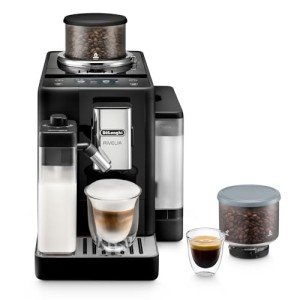
The Charm of Vintage Espresso Machines: A Journey Through Time
On the planet of coffee enthusiasts, few products evoke fond memories and admiration like vintage espresso machines. These magnificently crafted gadgets not only brew remarkable coffee but likewise work as art pieces that tell stories of bygone eras. This article checks out the appeal of vintage Espresso Coffee Machine Sale machines, their history, essential functions to consider when acquiring one, and informative tips for preserving these classic treasures.
A Historical Overview
The history of espresso machines is abundant and differed, showing wider shifts in coffee culture and innovation. Below is a timeline highlighting the advancement of espresso machines through the years:
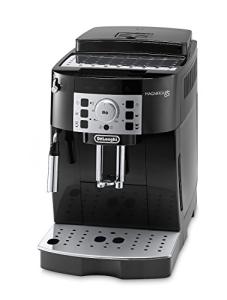
| Year | Development |
|---|---|
| 1901 | The first espresso machine, the “Il Martelli,” is created by Luigi Bezzera in Italy. |
| 1905 | Desiderio Pavoni patents an enhanced variation, paving the way for commercial espresso machines. |
| 1947 | The Faema E61 is presented, featuring an innovative style that utilizes an integrated pump and boiler. |
| 1950s | The emergence of home espresso machines starts, promoted by brand names like Gaggia and La Pavoni. |
| 1970s | The specialty coffee movement starts, additional enhancing the espresso machine’s popularity. |
| 1990s | Technological advancements result in the advancement of super-automatic machines, though vintage designs continue to be extremely searched for. |
These milestones mark substantial developments and changes in the espresso machine’s design, functionality, and function in coffee culture.
Why Collect Vintage Espresso Machines?
Vintage espresso machines are more than just functional gadgets; they are signs of workmanship, nostalgia, and the sustaining love for coffee. Here are a number of reasons why collectors and baristas alike are drawn to these machines:
1. Craftsmanship
Numerous vintage designs were handcrafted with a level of accuracy and quality that is hard to discover in modern mass-produced machines. Their durable construct and special styles make them standout pieces.
2. Visual Appeal
From the elegant curves of chrome accents to the heat of wood manages, vintage espresso machines often display spectacular looks that can elevate any cooking area or café decor.
3. Unique Brewing Experience
Older machines frequently provide a different taste profile than modern machines due to various developing methods, which can attract home baristas searching for a distinct taste.
4. Historical Significance
Owning a vintage espresso machine links the modern coffee lover to a rich heritage of coffee culture, providing a tangible connection to the history of coffee-making.
Key Features to Consider
When delving into the world of vintage espresso machines, it’s essential to keep a number of functions in mind to ensure you’re making a notified purchase. Here are some essential elements to think about:
1. Build Quality
Look for machines with a robust stainless steel or brass body. Make sure that parts, such as the portafilter and steam wand, are intact and practical.
2. Boiler System
Think about whether the machine has a single or double boiler system. Double boilers enable simultaneous developing and steaming, providing greater effectiveness.
3. Pump Type
Vintage machines might have either a lever or an electric pump. Lever machines need manual operation and can be a gratifying obstacle for knowledgeable baristas.
4. Parts Availability
Examine if spare parts are easily offered. Machines from popular brand names might have better assistance in terms of upkeep and repair work.
5. Aesthetic appeals
Select a machine that resonates with your individual style– whether that be sleek metallic surfaces or detailed detailing.
Tips for Maintaining Vintage Espresso Machines
Proper care is vital to keep vintage espresso machines functional and looking their Best Espresso Machine UK. Here are useful upkeep ideas:
-
Regular Cleaning: Clean the portafilter, group head, and steam wand after every usage to maintain taste quality and machine efficiency.
-
Descaling: Descale the machine every 3-6 months using a suitable descaling agent to avoid mineral accumulation that affects performance.
-
Inspect Seals and Gaskets: Regularly inspect gaskets and seals for wear. Changing these small parts can considerably enhance the machine’s function.
-
Professional Servicing: Consider taking your machine for professional maintenance every few years to address any technical concerns.
-
Storage: If not used often, save the machine in a dry, cool location to avoid damage from humidity and temperature level changes.
Regularly Asked Questions (FAQs)
Q1: How much does a vintage espresso machine cost?
A1: Vintage espresso machines can range from ₤ 100 to numerous thousand dollars, depending on the brand name, design, rarity, and condition.
Q2: Can I use a vintage machine for everyday brewing?
A2: Yes, vintage machines can be used daily, however they may need more upkeep than modern machines. It’s suggested to familiarize yourself with the specific design’s requirements.
Q3: Are vintage espresso machines worth the investment?
A3: Many coffee enthusiasts discover value in vintage machines for their visual appeal, unique brewing qualities, and historical significance. They can also value in worth in time.
Q4: Where can I buy vintage espresso machines?
A4: Vintage espresso machines can be found at Coffee Machine boutique, estate sales, antique stores, and online markets such as eBay or specialized vintage coffee devices sites.
Q5: Can I repair a vintage espresso machine myself?
A5: Some repairs can be DIY, particularly for minor concerns. Nevertheless, more intricate repair work may require the expertise of a professional specialist acquainted with vintage machines.
Vintage espresso machines are more than simple kitchen appliances; they represent a rich marriage of art, history, and coffee culture. Understanding their origins, functions, and upkeep can enhance the experience of owning one of these stunning machines. Whether you are a collector, a home barista, or just someone passionate about coffee, investing in a vintage espresso machine may just be the best way to take pleasure in coffee through the lens of history.
