

Ielts Academic Certificate
Add a review FollowOverview
-
Founded Date March 9, 1928
-
Sectors Non-Profit
-
Posted Jobs 0
-
Viewed 17

Company Description
15 Unexpected Facts About IELTS Certificate That You Never Knew
The Guaranteed IELTS Certificate: Myths, Realities, and What You Need to Know
The International English Language Testing System (IELTS) is a globally acknowledged English proficiency test that assesses a candidate’s capability to interact efficiently in English. Lots of individuals, especially those aspiring to study, work, or move to English-speaking nations, view the IELTS as a crucial step in their journey. The competitive nature of the test and its value in numerous applications have actually resulted in a proliferation of services declaring to use a “guaranteed IELTS certificate.” This article aims to explore the realities behind such claims, provide valuable insights into the IELTS test, and offer useful ideas for preparation.
Comprehending the IELTS Test
Before diving into the idea of a guaranteed IELTS certificate, it’s important to comprehend what the IELTS test requires. The IELTS is designed to examine a candidate’s proficiency in four key locations of language: Listening, Reading, Writing, and Speaking. The test is available in two formats: Academic and General Training. The Academic format is typically needed for college and professional registration, while the General Training format is utilized for work experience, training programs, and migration functions.
Key Components of the IELTS Test
- Listening (30 minutes): Candidates listen to 4 taped texts and respond to 40 questions.
- Checking out (60 minutes): The Academic test includes three long texts, while the General Training test features texts from books, magazines, and papers.
- Writing (60 minutes): The Academic test needs 2 writing jobs, a 150-word report and a 250-word essay. The General Training test includes a letter and an essay.
- Speaking (11-14 minutes): An in person interview with an examiner, consisting of 3 parts: an introduction and interview, a long turn, and a conversation.
The Myth of the Guaranteed IELTS Certificate
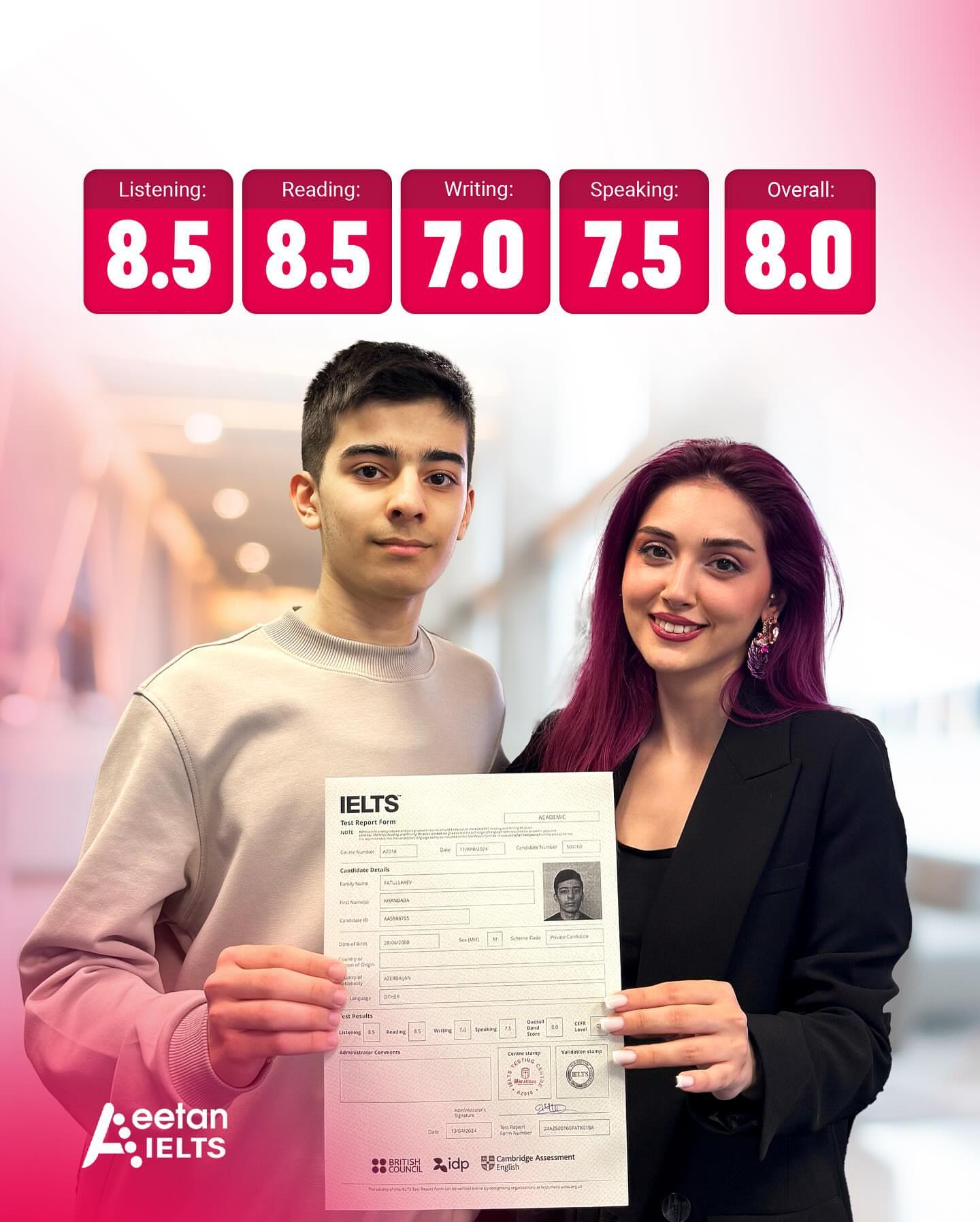
The pledge of a “guaranteed IELTS certificate” is a common marketing method used by some companies and individuals. Nevertheless, it is important to recognize that such an assurance is not only misleading however also difficult to satisfy. The IELTS is a standardized, worldwide acknowledged test, and the outcomes are figured out by the performance of the candidate on the day of the test. No external party can affect the scoring process or guarantee a specific band score.
Why a Guaranteed Certificate Is Unreliable
- Test Integrity: The IELTS test is administered and scored by the British Council, IDP: IELTS Australia, and Cambridge Assessment English. These organizations preserve rigorous standards of test stability and security.
- Variable Performance: Each test-taker’s efficiency can vary due to aspects such as test stress and anxiety, health, and preparation.
- Ethical Concerns: Offering a guaranteed certificate is dishonest and might involve deceitful activities, such as test leakages or score manipulation, which are illegal and can lead to severe repercussions.
Preparing for the IELTS Test
While a guaranteed certificate is a myth, comprehensive preparation can substantially increase a prospect’s opportunities of accomplishing a high band score. Here are some useful steps to consider:
1. Familiarize Yourself with the Test Format
- Practice Tests: Take official practice tests to get a feel for the structure and timing.
- Test Questions: Review sample questions and acquaint yourself with the types of jobs you will encounter.
2. Enhance Your Language Skills
- Listening: Improve your listening skills by experimenting a variety of English audio materials, such as podcasts, news broadcasts, and lectures.
- Checking out: Read a wide variety of English texts, consisting of academic posts, newspapers, and books, to enhance your reading speed and comprehension.
- Writing: Practice writing essays and reports to improve your grammar, vocabulary, and argumentation abilities.
- Speaking: Engage in routine discussions in English, and think about signing up with language exchange programs or hiring a speaking tutor.
3. Establish Test Strategies
- Time Management: Learn to manage your time effectively during each area of the test.
- Addressing Techniques: Develop methods for answering various types of questions, such as multiple-choice, short-answer, and essay writing.
- Tension Reduction: Practice relaxation methods to handle test stress and anxiety.
4. Look For Professional Help
- Preparation Courses: Enroll in IELTS preparation courses offered by trustworthy institutions.
- Tutors: Consider private tutoring to get tailored guidance and feedback.
- Study Groups: Join study hall or online neighborhoods to share resources and insights.
Frequently asked questions About the IELTS Test
1. What is the IELTS test, and how is it scored?
The IELTS test assesses a prospect’s proficiency in Listening, Reading, Writing, and Speaking. Each area is scored on a scale of 0 to 9, and the total band score is the average of the 4 section scores.
2. How long does it require to prepare for the IELTS?
Preparation time differs depending upon the person’s existing English level and target score. Normally, it is recommended to study for a minimum of 6-12 weeks, devoting numerous hours each week to practice and study.
3. Can I retake the IELTS if I do not attain my wanted score?
Yes, you can retake the IELTS as lot of times as required, but there is a 90-day waiting duration between test attempts. Each retake requires a new registration and payment.
4. What is the difference in between the Academic and General Training IELTS?
The Academic IELTS is designed for candidates applying to higher education or expert registration, while the General Training IELTS appropriates for those looking for work experience, training programs, or migration.
5. How can I enhance my speaking skills for the IELTS?
To improve your speaking skills, practice speaking in English as much as possible, record yourself to recognize locations for enhancement, and look for feedback from native speakers or tutors.
6. Is the IELTS test easy to cheat on?
No, the IELTS test has stringent security procedures to avoid cheating. Test centers utilize biometric confirmation, protected test products, and rigorous tracking to guarantee the integrity of the test.
7. Can I take the IELTS online?
Yes, the IELTS uses an online version called IELTS Indicator, which is readily available during certain periods and in particular regions. However, it is not accepted by all institutions and companies.
The Importance of Ethical Preparation
Achieving a high band score on the IELTS test is a testament to your English language efficiency and effort. It is necessary to approach the test with stability and ethical preparation. Here are some reasons that:
1. Personal Development
- Language Improvement: Preparing for the IELTS will enhance your English abilities, which are important in both individual and expert contexts.
- Confidence Boost: Successfully taking the test and accomplishing a high score can enhance your confidence and open new opportunities.
2. Professional and Academic Advancement
- University Admissions: A high IELTS score can enhance your opportunities of being accepted into leading universities.
- Job Opportunities: Many companies require a certain IELTS band score for English-speaking positions.
3. Ethical Responsibility
- Fairness: Cheating or utilizing unscrupulous techniques to get a certificate weakens the fairness of the test and cheapens the accomplishments of other candidates.
- Repercussions: Engaging in deceitful activities can cause serious repercussions, consisting of test cancellation and legal action.
The concept of a “guaranteed IELTS certificate” is a misconception and ought to be approached with caution. The IELTS test is a rigorous and reasonable assessment of English language efficiency, and the best way to achieve a high score is through consistent and ethical preparation. By comprehending the test format, boosting your language abilities, developing efficient test strategies, and seeking professional aid when needed, you can optimize your opportunities of success. Remember, the IELTS is not just a test however an important tool for individual and expert development. Prepare with devotion, and the outcomes will follow.
Extra Resources
- Authorities IELTS Website: ielts.org
- IELTS Practice Tests: ielts-practice. org
- British Council IELTS Prep: britishcouncil.org/ielts
- IDP IELTS Prep: idp.com/ielts
- Cambridge Assessment English: cambridgeenglish.org
By following these guidelines and making use of the offered resources, you can prepare successfully for the IELTS test and increase your opportunities of attaining your desired band score. All the best!
